



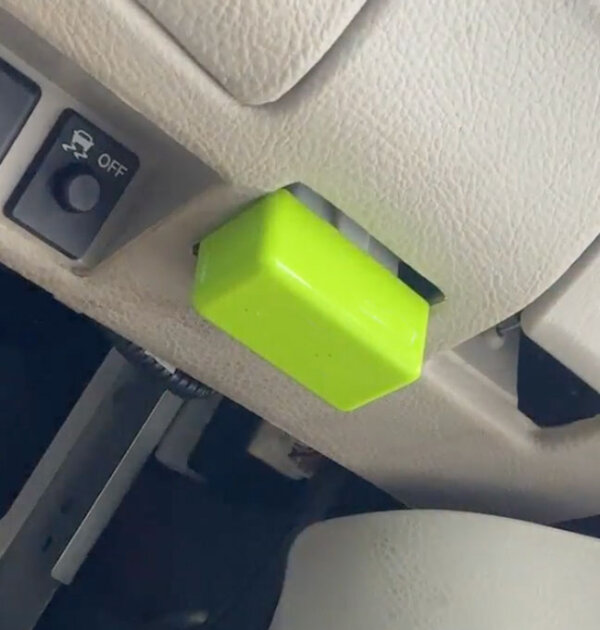
Three months ago, the news broke about oil tankers being rerouted around the Strait of Hormuz. I didn’t think much of it at the time. Now I’m paying about £1.35 per litre, and energy analysts are saying this could stretch into 2027. The conflict in the Middle East disrupted roughly 20% of global oil flows. Prices shot up over 50% in less than a month. Governments in Europe started telling citizens to carpool, work from home and drive less. But I can’t work from home. My wife drives our daughter to school every morning and our son to physical therapy twice a week. We live 40 minutes outside the city because that’s what we could afford. I can’t drive less. I can’t afford an extra £315 a month on fuel either. Last week, I filled up my tank and the total came to £77.10. I stood there staring at the pump, trying to remember when it cost half that much. It was February. I’m not someone who panics over headlines, but when I added up what we spent on fuel in March, I couldn’t ignore it anymore. An 82% increase in three months. My wife and I sat down at the kitchen table and went through everything we could cut. Groceries? We were already buying store brands. Streaming services? We share accounts with family. We eat out maybe twice a month. There was nothing left to trim that wouldn’t hurt. I started reading everything I could find about the oil situation. Supply chain experts were saying the disruptions wouldn’t resolve quickly. Some were predicting elevated fuel prices through the end of 2026, possibly into 2027. One economist said something that made my stomach drop: “This isn’t a temporary shock. The global fuel market has structurally shifted, and consumers are going to feel it for a long time.” That’s when I realized waiting for prices to go back to normal wasn’t a plan. It was just watching my savings drain while hoping someone else would fix it. Your car’s engine is controlled by a computer that decides how much fuel to burn per mile. Factory settings are built to work for every driver in every condition, which means they’re not optimized for how you actually drive. Most cars waste 20-30% of their fuel because of this. A colleague mentioned something called an OBD2 fuel optimizer. A small device that plugs into your car and adjusts how your engine uses fuel based on how you drive. He said people were using one called SynGas (also sold under the brand Optrimo), and their fuel costs had dropped anywhere from 30% to over 50% within the first couple of months. The device plugs into your car’s OBD2 port (every car made after 1996 has one), reads your driving data for about 150 kilometers, and then starts optimizing your engine’s fuel consumption based on your actual habits. It doesn’t require any permanent changes to your car. No mechanic, no tools. I ordered one that night. SynGas showed up three days later. The box was small, about the size of a deck of cards. Installation took less than two minutes. I found the OBD2 port under my steering column, plugged the device in, turned the ignition on for 30 seconds, and started the car. There’s a small LED light on the device that blinks while it’s calibrating. For the first 150 kilometers, it’s learning how you drive. How you accelerate out of stoplights, how you brake, how long you idle, how you cruise on the highway. After that, it starts adjusting your fuel consumption in real time. I didn’t notice anything dramatic at first. The car felt normal. But when I filled up at the end of the month, something was off. I’d driven about 310 kilometers. The pump stopped at £51 instead of £77. I checked the rate. Still £1.35 per litre. The difference was that my car used less fuel to cover the same distance. A 34% reduction in the first month. I didn’t change my commute or how I drive. My car just stopped wasting fuel. My wife’s SUV saw even bigger gains. She went from 18 mpg to around 24, about a 33% boost. My sedan improved too, but not quite as much. Combined, our household fuel bill dropped by over a third in the first month. Some users are reporting savings up to 55%. Even at 34%, I’m putting an extra £142 back in my pocket every month. That’s £1,706 a year. That’s the emergency fund we couldn’t build in March. That’s the vacation we thought we’d have to cancel. Real money back in our account instead of disappearing at the pump. My wife noticed before I said anything. “Did gas prices finally go down?” she asked. “No,” I said. “We’re not burning as much of it anymore.” After two months of using SynGas, things were different. I’m still driving the same commute. My wife is still taking the kids to school and therapy. We haven’t adjusted our lives to accommodate fuel prices because we don’t have to anymore. My fuel costs stayed consistent through May and June. We’re not anxious every time we pass a gas station or calculating whether a trip is “worth it” based on what it’ll cost at the pump. Installation was simple enough that my wife installed hers without asking me for help. The device works on both our cars because they both have OBD2 ports. We ordered a second unit after we saw the results from the first one. When fuel prices hit £1.90 per litre two weeks ago, it didn’t send me into a spiral like it would have in March. The price per litre matters less when you’re using fewer litre to begin with. The financial stress that had been sitting on both of us since the conflict started has eased up. We’re putting money back into savings instead of watching it disappear at the pump. People across the country are finding ways to deal with rising fuel prices without giving up their routines. Here’s what real users are saying: The savings have stayed consistent for months, and we didn’t have to change a thing. I’m not an engineer or an energy analyst. I’m a driver who got tired of watching a conflict halfway around the world drain my bank account. If you’re dealing with the same thing, this might help. Waiting for fuel prices to go back to normal won’t work. You have to find a way to use less fuel. See If SynGas Is Still Available and Get Your Discount As of — SynGas is selling out quickly due to surging demand from drivers dealing with record fuel prices. Originally designed for commercial fleets, it’s now available to consumers with a limited-time discount of up to 75% off for first-time buyers. It comes with a 30-day money-back guarantee. NOTE: this product is NOT available on Amazon or eBay.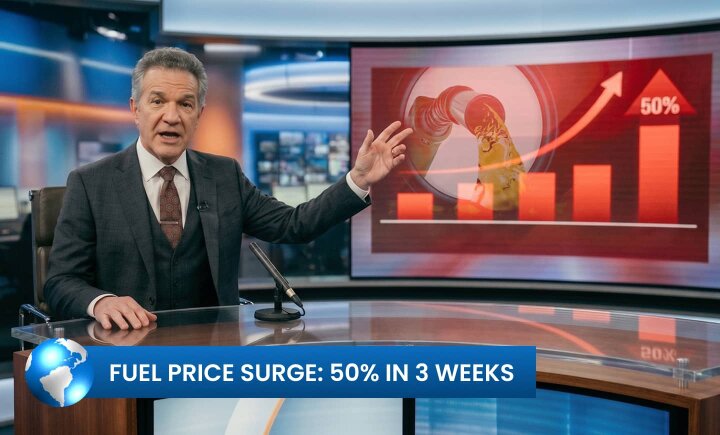
I Started Tracking Every Fill-Up Because I Needed to Know How Bad This Was Going to Get
I Found Out Most Cars Waste 20-30% of Their Fuel Because Factory Settings Aren’t Built for Efficiency
Two Weeks After Installing SynGas, I Filled Up My Tank and the Total Was £32 Lower Than the Week Before
My Fuel Costs:
Two Months Later, We Stopped Worrying About Gas Prices
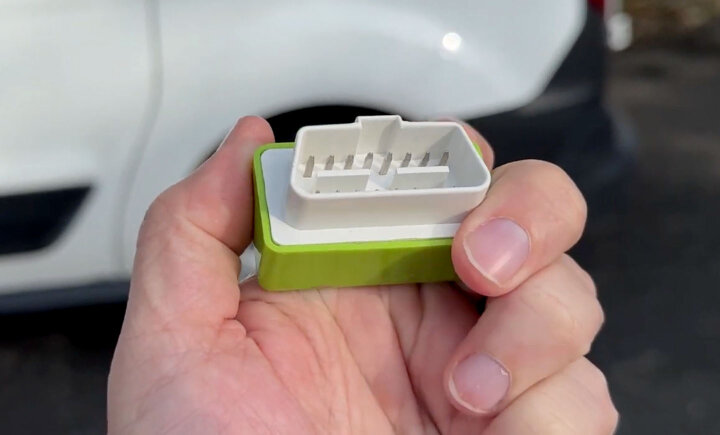
Other Drivers Are Cutting Their Fuel Costs the Same Way
SynGas Gave My Family a Way to Deal with Rising Fuel Costs Without Changing How We Live
I paid £49.99 for mine back in April and it paid for itself in two weeks. Right now it’s £39.99 for one unit, or as low as £24.85 per unit if you order multiple.





 Like
Like Comment






Customer Ratings
Average based on 9.803 reviews
 Excellent


